One Minute, Infinite Colors
Welcome! Today we explore Programming a Micro-Recital: Curating One-Minute Works for Mixed Ensembles, celebrating bold ideas compressed into sixty seconds. We’ll unpack selection strategies, orchestration tricks, rehearsal hacks, and performance flow, sharing real stories and practical checklists. Whether you are a curator, composer, or performer, expect actionable insights and spirited encouragement to build an unforgettable sequence of miniatures that feels cohesive, surprising, and deeply human.
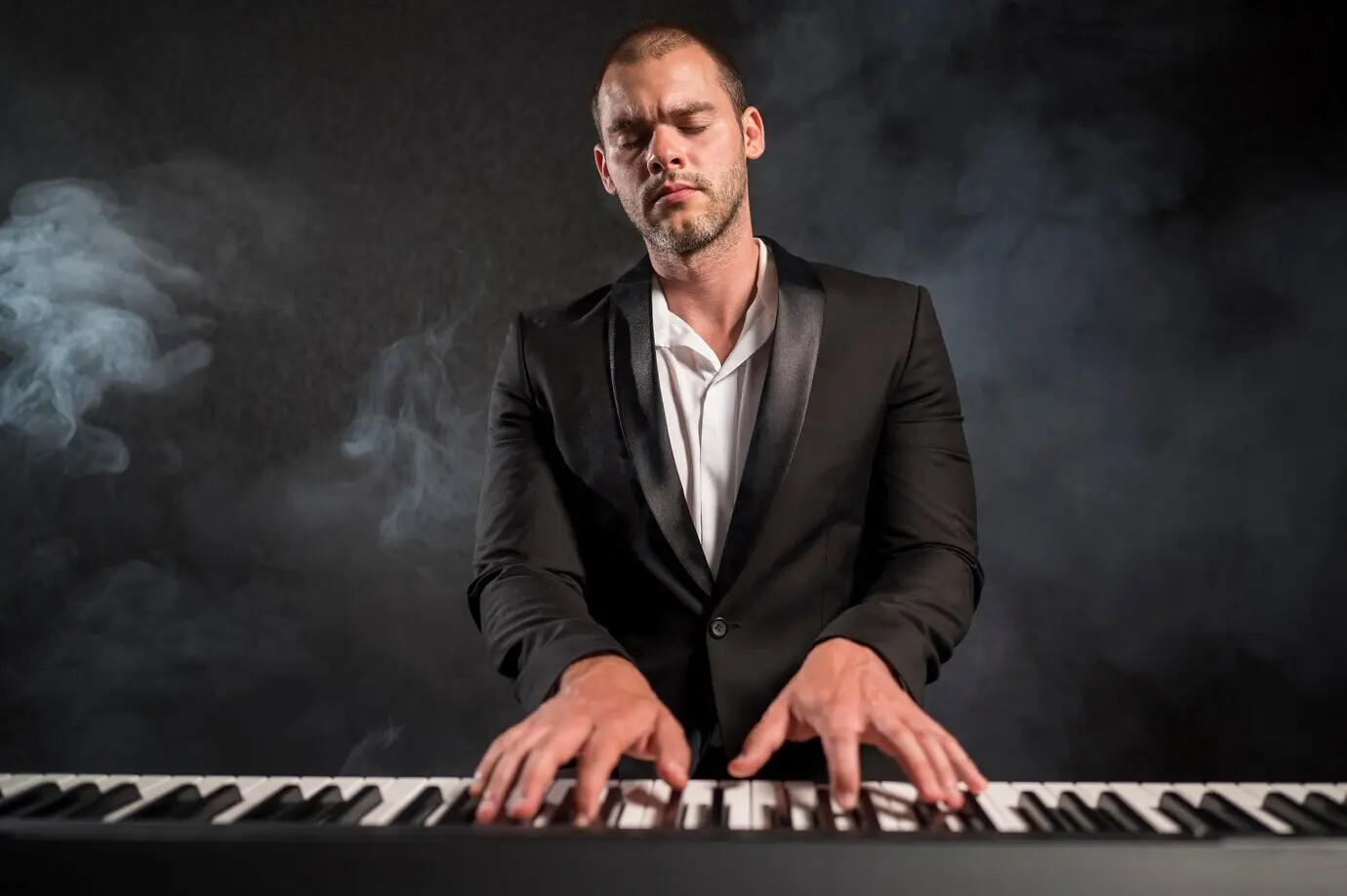
Shaping Meaning in Sixty Seconds
Sixty seconds can hold a story, a joke, a confession, or a spark that lingers for hours. Craft arcs that begin decisively, pivot with purpose, and resolve with clarity, even if the cadence is a breath or a blackout. We’ll consider gesture hierarchy, micro-contrast, and pacing, showing how silence, resonance, and registral motion can function as narrative anchors when time is tight and attention is bright.

Smart Curation and Calls
Selection shapes identity. Build a set that balances instrument families, aesthetics, difficulty, and logistics, while honoring new voices. Learn from 60×60’s audacity—many tiny worlds stitched into a compelling hour—yet tailor parameters to your players, venue, and audience. Clear criteria empower discovery, reduce bias, and make the flood of short scores joyful rather than overwhelming.
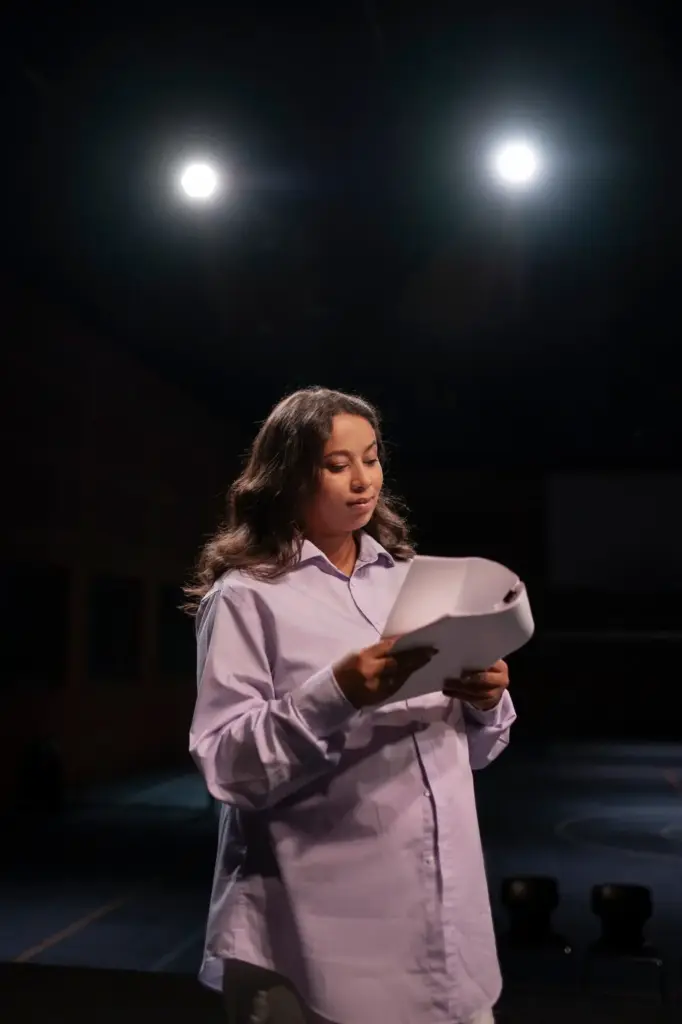
Miniature Orchestration for Mixed Forces
In a minute, balance matters more than mass. Choose combinations that bloom immediately: alto flute against muted trumpet, vibraphone with soft piano clusters, viola harmonics over contrabass clarinet. One quartet told us their best color emerged only after swapping chairs and sightlines. Practical layout choices often unlock impossible blends.
Sprint Sessions
Break rehearsals into focused five-minute blocks per piece, including one run and one targeted fix. Rotate difficult spots across players to avoid fatigue. A kitchen timer and shared checklist create accountability, and spirits stay high when small wins accumulate visibly and audibly.
Notational Shortcuts
Print measure numbers large, add entrance arrows, and highlight cue words in bright colors. Create a one-page map per piece with tempo, meter, pickup, and cutoff. Clear paper beats clever puzzles; fewer questions save minutes, and minutes are literal currency in micro-recital preparation.
Frictionless Changeovers
Pre-set secondary stands, bow placements, stools, and mallet trays. Group pieces by backline to minimize moves. If a swap is unavoidable, assign roles like a pit crew and rehearse them with a stopwatch. Elegance under pressure reads as trust, not fuss.
Words That Frame
Consider ten-second introductions by players, especially when notation is unconventional. A single sentence about image, gesture, or dedication unlocks attention. Rotate voices so the ensemble feels personable and agile, and always keep microphones live to avoid awkward waiting and unintended suspense.
Light, Video, and Click
Minimalist lighting cues can unify wildly different pieces, while short video bumpers mask resets. When using click, route discreetly to necessary players and verify latency before doors. The more invisible the scaffolding, the more dazzling the illusion of effortless, breath-to-breath continuity.
Seamless Flow Onstage
The space between pieces is part of the art. Design lighting, walk paths, and instrument presets so silence feels intentional, never accidental. A percussionist once carried a quiet cabasa loop while colleagues rotated chairs; the audience thought it was music, and it was. Flow tells your story.
Engagement Beyond the Stage
Release fifteen-second rehearsal clips that show real work: a fix, a laugh, a triumphant run. Add captions naming players and techniques. Authenticity beats polish for building anticipation, and transparent craft helps new music feel welcoming, curious, and proudly made by reachable humans.
Design program notes for scanning: one-sentence composer bios, plain-language piece descriptions, and exact durations down to the second. Icons for electronics, extended techniques, or audience participation help guests choose focus quickly. A legible map deepens engagement before the first note arrives.
After the concert, share full set lists, a thank-you roll, and a short survey asking which minute lingered longest. Invite mailing list sign-ups for calls, workshops, and premieres. People remember how they were included; keep the door open, warm, and clearly marked.

All Rights Reserved.