Sixty Seconds to Sound: Cross-Instrument Warm-Ups That Start Class Strong


In this guide we explore minute-long cross-instrument warm-ups for the music classroom, proving that sixty focused seconds can unify breathing, posture, pulse, tone, and attention. Expect adaptable prompts for winds, brass, strings, percussion, voice, and keyboards, plus routines, assessment ideas, and engaging stories that make beginnings musical and efficient.

Attention Meets Momentum

Short, clear routines capture attention before distractions settle. When your first sound happens inside the first sixty seconds, students feel momentum instead of hesitation. The clock focuses decisions, and everyone hears success immediately. That tiny win triggers willingness, which compounds over days into faster tuning, cleaner articulations, and a class culture that expects productive, musical beginnings.

Consistency That Frees Creativity

Paradoxically, repeating a concise ritual unlocks more creative time later. Because students no longer guess what happens at the bell, mental bandwidth stays available for musical risk-taking. A predictable pulse pattern, breath cue, and tonal center eliminate friction, letting you spend rehearsal exploring color contrasts, phrasing possibilities, and expressive shape without battling energy dips or scattered focus.

Shared Language Across Instruments

When violins, clarinets, voices, and mallets begin with the same cue words—release, align, spin air, shape the front—ensemble cohesion rises. Students internalize transferable concepts, noticing how a string bow’s initial contact mirrors a brass articulation or a choral consonant. Cross-instrument vocabulary turns technique into ensemble empathy, making balance, blend, and timing adjustments faster and more musical.

Blueprints for High-Impact Micro-Routines

Design each sixty-second burst around one measurable intention, one musical context, and one universal cue. Choose language every student understands, lock to a steady pulse, and ensure the payoff is audible within seconds. When the criteria are visible and repeatable, motivation stays high, and students begin self-correcting before teacher intervention, accelerating growth while preserving rehearsal momentum.

One Goal, One Constraint

Pick a single focus—air spin, contact point, vertical alignment, or unified release—and limit variables. Use one scale degree set or a two-note cell so ears track quality instead of notes. The narrow constraint clarifies success quickly, inviting students to listen deeply for resonance, overtones, and front-shape consistency rather than chasing accuracy across sprawling, distracting musical material.

Rhythm as the Backbone

Pulse stabilizes everything. Start at a consistent tempo—perhaps sixty or seventy-two—and keep the grid simple. Unison quarter notes or gentle eighths provide shared timing for breath, bow, mallets, and syllables. Reliable pulse frees students to refine starts and releases, making articulation alignment audible from the first bar while giving percussionists purposeful leadership that lifts the entire room.

Cues You Can See and Hear

Pair concise words with visible gestures: inhale, set, release. A lifted eyebrow for breath, a gentle downbeat for contact, and a circling wrist for resonance sustain help everyone anticipate motion. The multi-sensory cueing reduces lag, supports accessibility, and ensures that even distant back-row players feel included, confident, and synchronized before the first repertoire entrance begins.

Technique Coverage in a Single Sweep
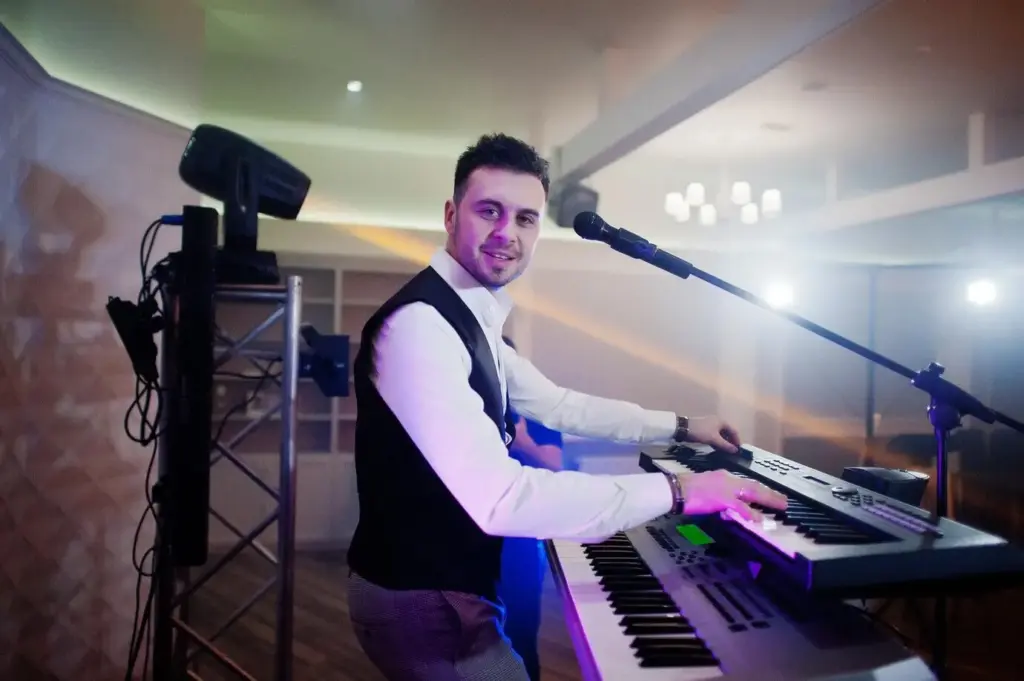
A well-constructed minute can touch breath, resonance, articulation, intonation, posture, and ensemble balance without feeling rushed. Design layers that different families experience in parallel: winds refine air while strings refine contact, percussion centers stroke height, singers unify vowel shape, and pianists stabilize touch. Everyone hears a common musical result emerge, strengthening trust, blend, and collective responsibility.

Three Ready-to-Use One-Minute Routines

Use these flexible starters as written, or adapt the tonal center, articulation, or tempo for your group. Each takes exactly sixty seconds, touches multiple technique areas, and yields an immediate, audible improvement. Invite students to vote on favorites, remix steps, and submit new versions, building ownership while keeping beginnings fresh, focused, and musically meaningful every single day.

Pulse and Breath Unison

Count eight at a steady tempo, then produce four unified starts on a single comfortable pitch or open string, followed by one sustained release. Winds and brass focus on silent inhale timing; strings on contact and bow speed; percussion on consistent stroke height; singers on vowel purity; keyboard on even touch. Record once weekly to celebrate clearer fronts.

Articulation Ladder

Move through four bars: staccato, light détaché, tenuto, then legato, all at one dynamic and pitch center. Emphasize identical length within each bar across families. Students notice how consonant length, stick rebound, and bow stroke shape create the same musical effect. Finish with a collective breath and release to reinforce control and ensemble awareness at cadence.

Intonation Glide

Against a drone, ascend and descend a five-note pattern in slow, connected notes, prioritizing resonance over volume. Encourage micro-adjustments: brass with embouchure, winds with voicing, strings with finger placement and bow weight, singers with vowel alignment, keyboards with listening-led balance. End with a unison held note and synchronized lift, celebrating beats vanishing into centered harmony.

Assessment That Fits the Clock

Use a visible timer and a two-line checklist: front alignment and release timing. After the minute, invite a section to self-score, citing evidence heard in balance and beat clarity. The public, supportive language normalizes feedback, while the tiny scope keeps emotions low and accuracy high. Over weeks, students track growth trends that inform repertoire priorities.
Have one section model the pattern; another echoes immediately. Listeners share one precise observation using agreed vocabulary: round front, matched length, centered pitch. Before transitioning, students place a quick colored dot on a chart indicating confidence. The visual snapshot guides tomorrow’s starter choice and celebrates progress without long forms or derailing the rehearsal’s pacing.
Record Monday and Friday versions of the same one-minute routine. Play them back side by side the following week, inviting students to identify differences in articulation shape, resonance length, and tuning stability. This concrete comparison builds motivation, validates effort, and helps guardians hear growth during conferences. Encourage subscribers to share clips and reflections in comments.

Silent Signals, Predictable Starts

Establish nonverbal cues that work from the podium to the back row: two-finger breathe sign, palm down for settle, soft wrist circle for sustain. Practice responses at the bell daily. The quiet ritual communicates respect, lowers noise, and lets students with auditory sensitivities participate comfortably while maintaining immediate readiness for the first unified sound.

Space, Stands, and Sticks

Physical setup shapes success. Angle rows for sightlines, mark percussion zones, preset stands to eye level, and stage keyboard benches for neutral wrists. Clear pathways reduce collisions and late arrivals. A thirty-second reset checklist posted near the door keeps the minute intact, making excellence feel inevitable rather than fragile or dependent on perfect circumstances.

Adapting for Every Learner

Plan parallel options: air-only with metronome, silent bowing, voiced consonants, or fingertip taps on a keyboard cover. Provide visual count-ins and printed icons for cues. Celebrate whichever version meets the intention so students with injuries, sensory needs, or developing technique still belong. Invite readers to comment with adaptations that worked, building a shared, supportive library.
Kenofulimikuzu
Privacy Overview

This website uses cookies so that we can provide you with the best user experience possible. Cookie information is stored in your browser and performs functions such as recognising you when you return to our website and helping our team to understand which sections of the website you find most interesting and useful.