Compose Lightning-Quick Pieces That Sing on Any Instrument
Today we dive into writing 60-second micro-compositions adaptable to diverse instruments, balancing immediacy with depth and playability. In one minute, a clear gesture, persuasive arc, and idiomatic details must coexist for piano, guitar, winds, strings, and percussion. Expect structure blueprints, timbre-aware tactics, and tiny experiments you can try tonight. Share your drafts, ask questions, and join our growing circle of minute-makers refining potent ideas that travel confidently between hands, mouthpieces, bows, and mallets.
Defining the One-Minute Arc
One minute is long enough for a promise, a turn, and a goodbye, yet short enough to demand ruthless focus. We outline a compact arc that invites any instrument to speak clearly: an opening motif, a midcourse contrast, and a satisfying cadence. Learn pacing tricks, bar counts that feel natural, and rehearsal markings that cue breath, bow, decay, and resonance without choking spontaneity.
Hook, Pivot, Release
Hook listeners within seconds using contour, register, or color, then pivot with texture, rhythm, or harmony that freshens attention before closing with an unmistakable release. This micro narrative survives tempo shifts and instrumental differences because it is designed around perception, not instrument-specific bravura, making every performer sound intentional and every audience feel carried.
Timing the Breath
Different bodies breathe differently: clarinet embouchures, trumpet chops, bow arms, piano sustain, guitar decay. Shape phrase lengths so a single breath, stroke, or pedal change aligns with formal markers. Use rests like commas, cue lifts with slurs and tenuto, and let resonance finish sentences when a lung or string cannot, preserving flow across families.
Writing for Timbre Diversity
Color changes everything. A melody that glitters on glockenspiel might demand legato warmth on cello or palm-muted intimacy on electric guitar. Build adaptability by understanding range, transposition, articulation, and envelope. We provide comparisons, cautionary tales from rehearsals, and practical alternatives so your sixty seconds remain vivid whether performed in a studio, classroom, or echoing hall.
Range and Register Maps
Sketch a simple map: lowest comfortable pitch, sweet spot, and fatigue zones for common instruments. Align climaxes within supportive registers. Avoid buried inner voices for horns or squeaky extremes for strings unless dramaturgy requires it. These maps protect your idea while granting performers confidence, especially under tight rehearsal time and variable acoustics.
Articulations that Translate
Choose articulations that survive translation: staccatissimo can dry out on marimba, while brush strokes soften harshness on snare. Pair short notes with resonance helpers like pedal tones or open strings. Mark alternatives clearly, inviting players to select equivalents that honor intent without forcing impossible techniques in the minute’s unforgiving spotlight.
Dynamics that Survive the Room
Plan dynamic shapes that remain audible across venues and families. A whispered start may vanish on bassoon in a large hall but glow on violin near the bridge. Offer crescendos that ride natural instrument envelopes, and consider micro-terracing so subtle gradations survive amplification, room noise, and the ticking clock.
Harmony and Modality that Travel
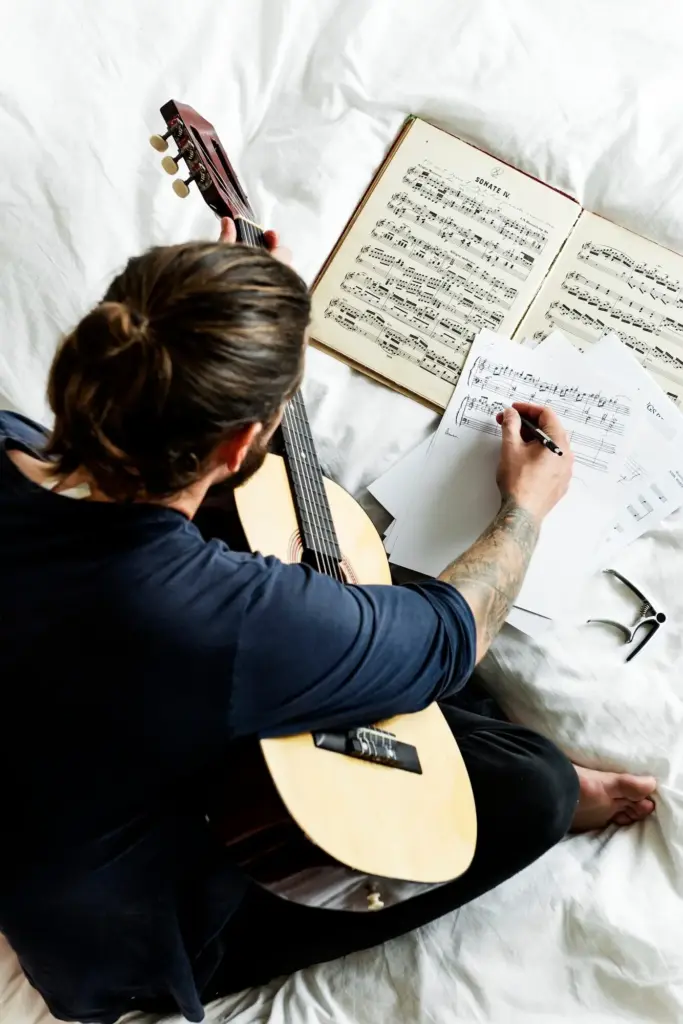
Sixty seconds magnify harmonic choices. Complex progressions risk sounding rushed; static harmony can feel underfed. We explore modes, open intervals, and progressions that imply richness even when a solo instrument can only voice one pitch at a time. Learn to suggest bass movement, inner voices, and cadences through contour and rhythm.
Rhythm as the Universal Engine
Rhythm carries identity across timbres better than almost anything else. Build grooves that permit slower hands or faster tongues without losing character. Use additive meters, hocketed figures, or syncopation patterns that scale. Strategic silences frame gestures, create space for resonance, and give performers breathing room in a sprinting, joyful minute.
Notation and Lead Sheets for Cross-Instrument Use
The best one-minute score travels as a clear lead sheet, a precise part, or an inviting set of options. We show chord symbols with guide tones, rhythmic slashes, articulation keys, and extensible codas. Learn to support transposing instruments, breath indications, stickings, and ergonomic fingerings without clutter that frightens newcomers or bores veterans.
Lead Sheet Clarity
Put melody, chords, form, and roadmap on one page. Use rehearsal letters at structural pivots, barline repeats for cycles, and rhythmic notation that shows feel, not microtiming. Provide an optional second ending for extended takes. Musicians grab, glance, and go, spending precious seconds making music instead of deciphering layouts.
Alternate Notations
While standard notation rules, flexibility helps. Offer tablature for fretted players, stickings for percussionists, and breath marks for winds. Include cue-sized alternative lines for tricky leaps. Clear legend boxes define symbols once, reducing chatter in rehearsal and empowering mixed groups to synchronize quickly despite different training backgrounds or reading habits.
From Page to Performance: Testing and Iteration
Great ideas survive rehearsal rooms, not just notebooks. We share methods for testing micro-compositions fast: phone recordings, MIDI renderings, and short sessions with friends. Gather player notes, observe timing drift, and track audience reactions. Iterate decisively, celebrate improvements, and publish versions that invite reinterpretation while keeping the minute’s emotional core intact.
Rapid Prototyping Sessions
Pair a stopwatch with a loop pedal or DAW markers and run three passes: straight, embellished, and stripped. Note where fatigue appears, where resonance muddies, and where excitement peaks. Clips reveal truths faster than opinions. Share takes with our community, request blind feedback, and test against real-world distractions like HVAC hum.
Field Tests with Friends
Anecdote: a one-minute piece died on flute until a violist tried it sul tasto, where the whisper bloomed. Another time, a drummer filled rests instinctively, unlocking propulsion. Invite friends from different sections to trade parts. Their instincts expose hidden strengths and reveal the smallest changes that unlock universal playability.
Iterate with Metrics
Keep a tally: seconds used, breaths taken, dynamic peaks achieved, and listener comments after first hearing. Iterate one parameter at a time, then A/B in rehearsal. Post your results below, ask for specific suggestions, and subscribe to catch future breakdowns and challenges that sharpen your sixty-second craft through shared practice.

All Rights Reserved.